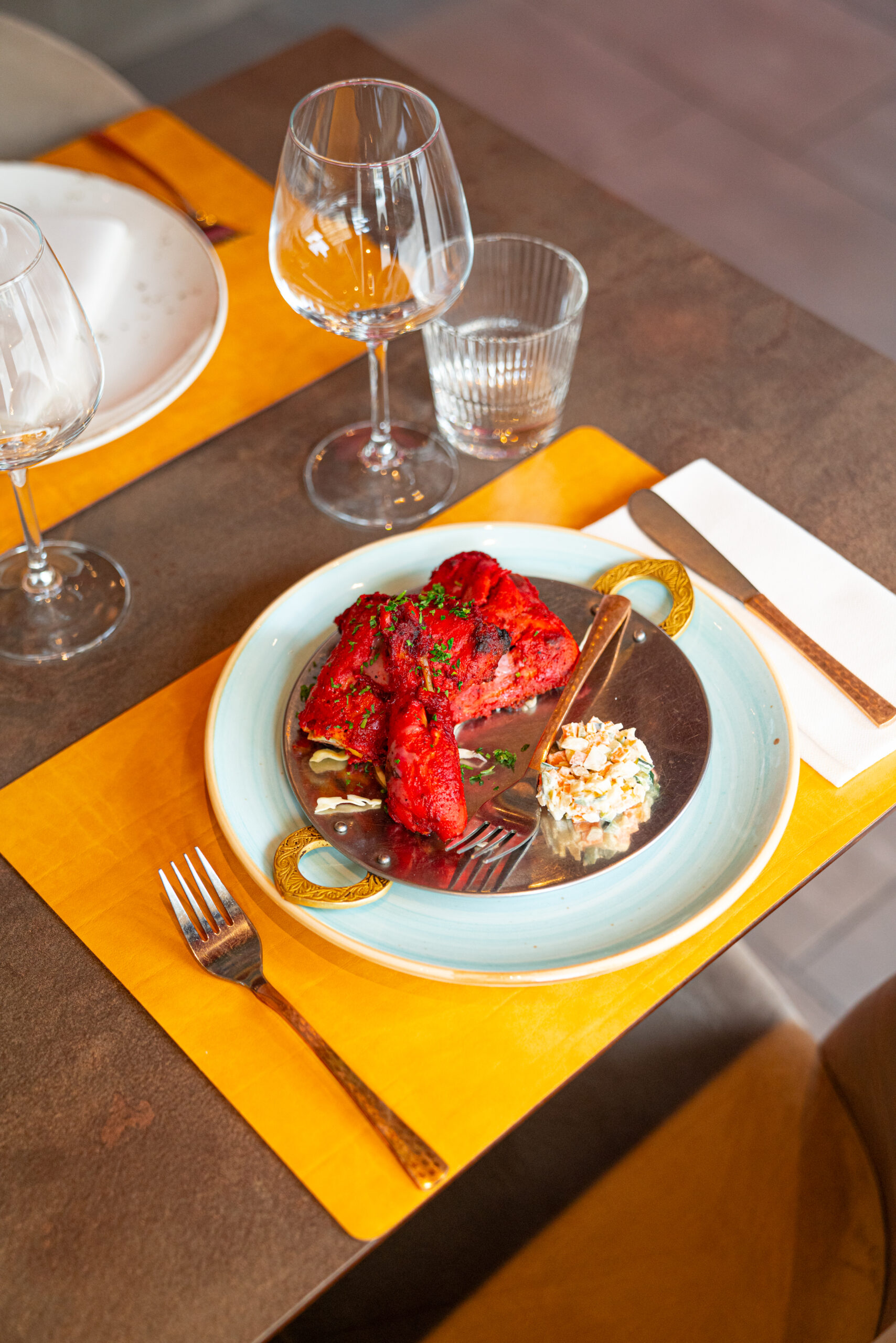
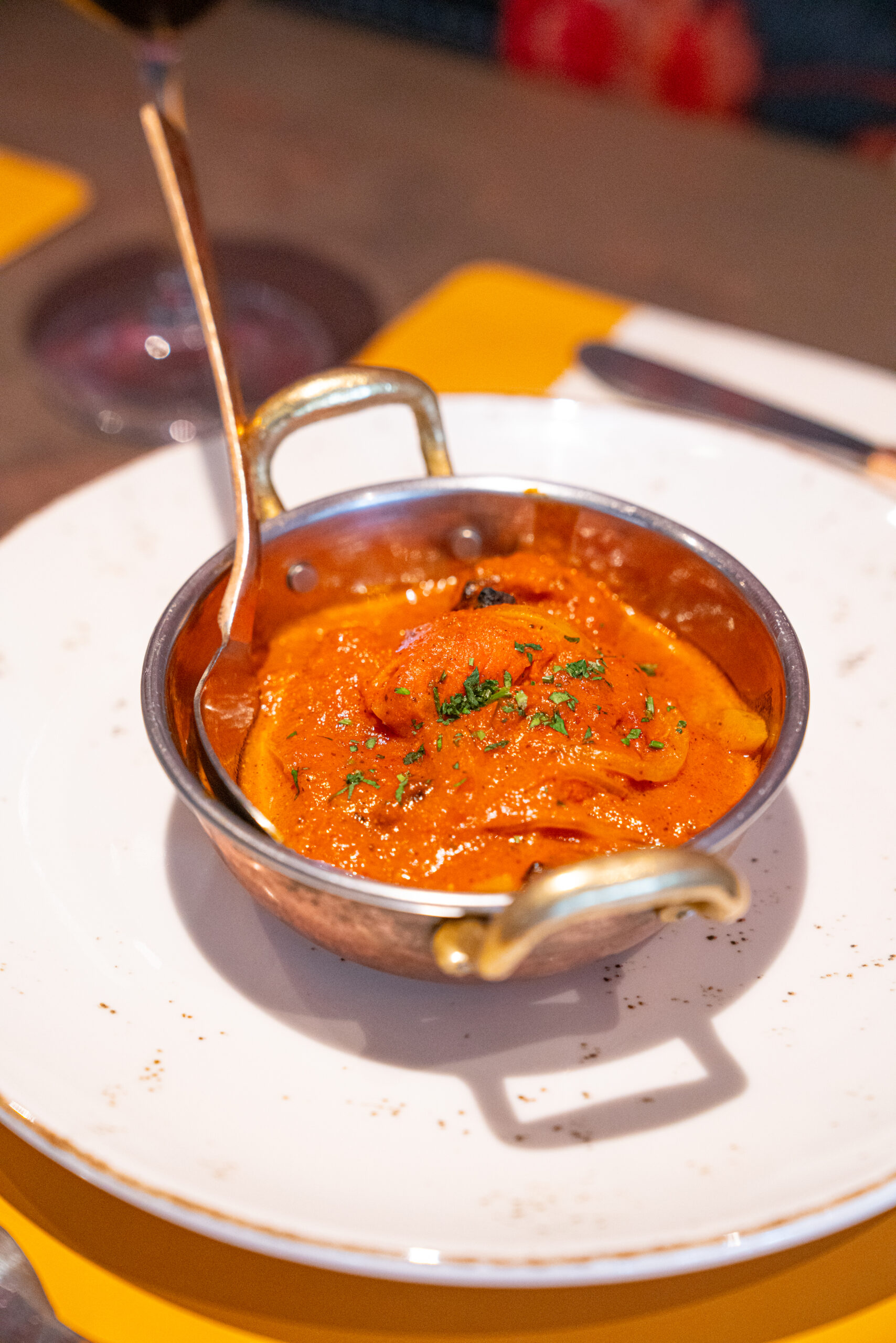
Spices are the very soul of Indian cuisine, an alchemy of history and tradition that goes far beyond simple ingredients. However, in the West, this richness is often summarized in a single word: Curry. Curry.
In reality, what is commonly called "Curry" is a linguistic misunderstanding. The term derives from the Tamil word Kari (meaning "sauce" or "soup"), but it was the British, during colonization, who adopted this name to generically indicate any spiced dish or the spice blend itself.
The truth is that "Curry powder" does not exist in natureThere is a Curry Tree (Murraya koenigiiwhose aromatic leaves enhance many dishes, but the famous yellow powder is actually a Masalaa complex and balanced blend of various toasted and ground spices
Every Masala is unique, just like the hand of the chef who prepares it. Saying "Curry" is merely a Western way to describe the infinite magic of Masala.
WHAT IS A MASALA?
Masala is not just a simple powder; it is the heartbeat of Indian cooking. There is no single formula: India is a vast continent, and every region, every village, and even every family holds its own aromatic signature.
As with all great traditional recipes, the personal touch of the chef is what makes each preparation unrepeatable. It is said that ancient Maharajas had their cooks compete to create increasingly sophisticated and complex Masalas, offering their guests unique and regal dishes.
The Ingredients Although the variations are endless, there are fundamental pillars. The base often consists of Turmeric (the gold of spices) Coriander and cuminoTo this, a symphony of aromas is added: black pepper, cinnamon, cloves, cardamom, ginger, nutmeg, and fenugreek, dosed with millennia-old wisdom.
Traditional Preparation The secret lies in the process: spices, sometimes toasted to release their essential oils, are traditionally processed on a stone grinder (known as Sil-BattaIt involves a flat base on which a heavy stone cylinder is rolled—an ancient movement that transforms seeds into a fragrant paste or powder, ready to bring the dish to life.
SPICES FOR THE BODY AND SOUL
Savoring spiced food at the right point is obviously first of all the discovery of aromas and flavors and, therefore, pleasure and joy.
Spices as a spiritual gift, therefore, which give small ecstasies and enjoyments, crossing the soul understood as an immaterial part and body understood as a biological material that processes flavors.
Well-being, we could say in a word, and we would say nothing but a banality. Ayurveda is a philosophy of life in India, not just an ancient medical art whose goal is precisely that of living well.
E le ricette alimentari dell’Ayurveda riservano un grande posto al cibo e alle spezie da 5000 anni.
Medicinal Spices -
The Example of the TURMERIC wedding
Kitra, an Indian friend from Calcutta who has lived in Italy for a few years, listened to the story that a mutual friend made of a medical error. A common tale for our ears, unfortunately.
He said of a treatment assigned, then modified, then reassigned. A cocktail of different drugs which, however, after a year, did not solve the problem of what seemed to be just trivial back pain, even if very strong. On the other hand, that patient had acquired a beginning ulcer and severe headaches, which came and went according to the change of drugs.
GINGER, HOT AND BENEFICIAL SPICE
The Spice that heats BODY and SOUL
Anche oggi ci lasciamo guidare dalle parole di Chitra Banerjee Divakaruni, autrice del bellissimo romanzo La strega delle spezie (Einaudi, 2005). Parliamo dell’incontro col magico zenzero, radice, anzi rizoma, di forme ostentate e contorsioni, che ci dona calore e vicinanza. Ottima spezia per il freddo invernale, ci sta vicino e solletica il nostro corpo e la nostra anima.
The Advice of AYURVEDIC Medicine
Ginger is the rhizome of a perennial herbaceous plant belonging to the Zingiberaceae family, native to eastern Asia. In Ayurveda , ginger is considered the best natural remedy to harmonize Agni, the digestive power, thus improving digestion. Ginger is also an excellent anti- inflammatory, useful for example in joint pain .